
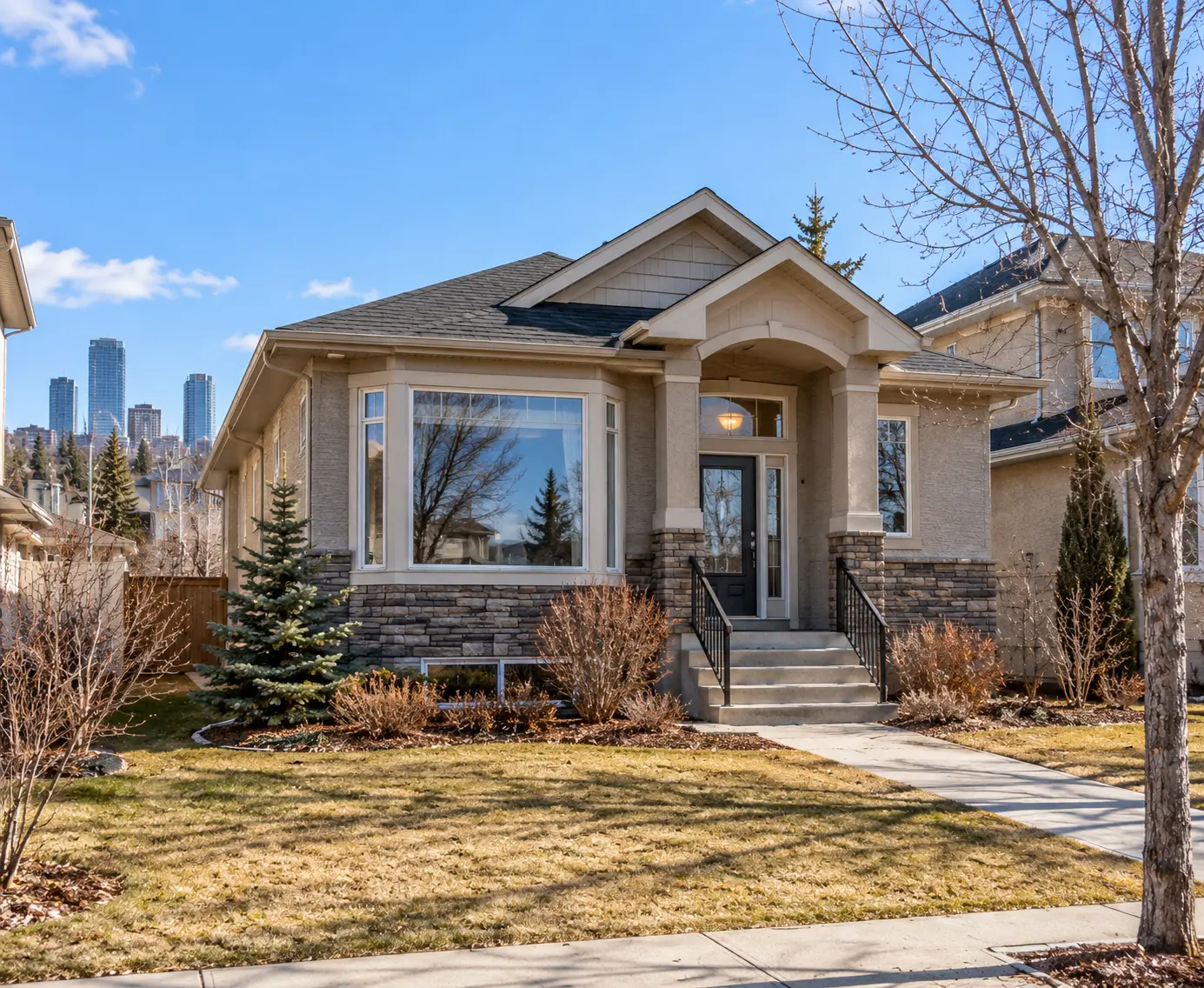
We Buy Houses in Probate in Edmonton, Alberta.
When a house is part of an estate, the personal representative needs a grant before the sale can close, and the bills keep arriving while you wait. We buy estate houses as-is, with a written cash offer in 48 hours and a closing date set after the grant, out to 120 days.
170+ Homes Purchased Since 2018 · 3-Hour Typical Response · Cash Offer in 48 Hours
Tell us about the estate house and where the grant stands. We respond within 3 hours.
"*" indicates required fields
No cost. No obligation. Response within 3 hours during business hours.

Can You Sell a House in Probate in Alberta?
Yes, once the court has issued a grant and it is filed with Land Titles. To take a deceased sole owner or tenant in common off a title, Alberta Land Titles requires a filed grant of probate or letters of administration, so that is the step the closing waits for. If you need to sell a house in probate in Alberta and the house is in Edmonton or a surrounding community, Edmonton Property Buyers can walk through it, put a written cash offer in front of the personal representative within 48 hours, and set the closing date after the grant is expected, out to 120 days, the same way we approach every house we buy across Edmonton. We are not lawyers, and we are not able to advise on the estate itself. What we can give the personal representative is a firm number, a flexible date, and an offer the beneficiaries can read line by line.
Selling a House in Probate in Alberta: The Short Answers
The six things personal representatives ask us first once an estate includes a house, each answered in a sentence. The detail follows further down the page.
Can you sell a house in probate in Alberta?
Yes. The sale can close once the grant is filed with Land Titles, and the closing date can be set for after it arrives.
Who can sign the sale?
The personal representative: the executor named in the will under a grant of probate, or an administrator under a grant of administration.
Is probate always needed?
No. A house held in joint tenancy passes to the surviving owner with proof of death, without a grant.
Do the beneficiaries have to agree?
It depends on the will and how the house was left, so confirm with the estate's lawyer before you list or sign.
Who pays the bills while we wait?
The estate. Property taxes, utilities, and insurance keep running, and the personal representative pays them from estate funds.
How fast can the estate sell?
A written cash offer within 48 hours of seeing the house, and closing in about 14 days on average once the grant is in hand, or out to 120 days.
The Probate Clock: From the Will to the Closing
Every Alberta estate with a house in the deceased's sole name moves through the same sequence. The sale fits into it at one point, and knowing where that point is keeps the closing from being set too early.
Find the Will
Locate the will and confirm who is named. With no will, someone applies to be administrator.
Apply for the Grant
The application goes to the Court of King's Bench of Alberta under the Surrogate Rules.
Notify Beneficiaries
Beneficiaries are identified and given notice as part of the application.
Grant Issued
Once it is filed with Land Titles, the personal representative can transfer the house.
Sale Closes
The mortgage and any charges are paid out, and the balance goes to the estate.
Clear and Distribute
Debts and final taxes are settled, a CRA clearance certificate is requested, then the estate is distributed.
The Sale Can Be Planned Before the Grant Arrives
Valuing the house, gathering documents, and even agreeing on a price can happen while the application is with the court. What cannot happen is the closing itself, because no buyer's lawyer can register the transfer until the grant is filed.
If the personal representative decides to sign before the grant, the closing date needs to sit comfortably after it is expected. Our closing window runs out to 120 days.
Who Has the Authority to Sell an Estate House
Before anyone can sell, it has to be clear who is allowed to sign. In Alberta that depends on whether there is a will, how the house was owned, and whether a spouse still has rights in it.
Grant of Probate
The executor named in the will applies for a grant of probate and then acts as the personal representative.
Grant of Administration
With no will, or no named executor able to act, the court can appoint an administrator instead.
Joint Tenancy, No Grant
A house held in joint tenancy passes to the surviving owner with proof of death. It is not part of the estate.
A Surviving Spouse's Rights
A spouse or partner not on title may stay in the family home for 90 days, and a married spouse may hold a dower life estate.

What an Estate House Costs Every Month It Waits
Probate takes time, and the house does not pause while it happens. None of these are fees from us. They are what the estate pays to hold the house until it sells.
Property taxes
They keep accruing after the owner dies, and unpaid balances pick up penalties.
Utilities and heat
The heat has to stay on through an Edmonton winter, whether anyone lives there or not.
Insurance
Insurers often change coverage once a house is unoccupied, so the policy needs attention right away.
Mortgage, upkeep, and checks
Any mortgage interest, snow removal, lawn care, and regular visits to make sure nothing has gone wrong.
What waiting costs the estate
Add these up for the months a listing might take, and weigh the total against a firm closing date.

Get an Independent Value First
A personal representative may need to show the beneficiaries that the price was reasonable. A formal appraisal or a realtor's market analysis gives you that starting point, and we encourage one before accepting any cash offer, including ours.
When the house is in good shape and the estate can wait, listing usually brings a higher headline price. A direct sale tends to fit when the house needs work, sits empty, or the family wants a firm date. Our guide on how an executor sells a house in probate walks through the full process.

Selling at a Fair Price Without Losing the Family's Trust
Alberta's Estate Administration Act requires a personal representative to act honestly and in good faith, and to distribute the estate as soon as practicable. On a house, those two duties pull in different directions: one rewards patience, the other rewards finishing.
Document the Price
Keep the appraisal or market analysis, every written offer, and your reasons for the one you accepted.
Tell the Beneficiaries Early
Beneficiaries who see the valuation and the offer before you sign have fewer reasons to question it later.
The Court Is the Backstop
A beneficiary who believes a duty is not being met can apply to the court, which can order the duty performed or replace the personal representative.
Is This a Probate Question or Something Else?
Probate is about authority and the clock. If the estate is past that point, or the real issue is something else, one of these fits your situation better.
The Grant and the Sale
Who can sign, when the closing can happen, and what the estate pays while it waits.
You are on the right pageHeirs Deciding What to Do
The house has passed, and the family is choosing whether to keep it, rent it, or sell it.
Selling an inherited house →An Empty Estate House
Nobody is living there, and the costs and risks of an empty house are adding up each month.
Selling a vacant house →Whichever fits, the offer works the same way. We buy the house in any of these situations.
Property Types We Buy From Estates
Estates hold every kind of property. We buy all of these as-is, on a closing date that fits the grant.

Detached Houses
Bought as-is, whatever the condition.
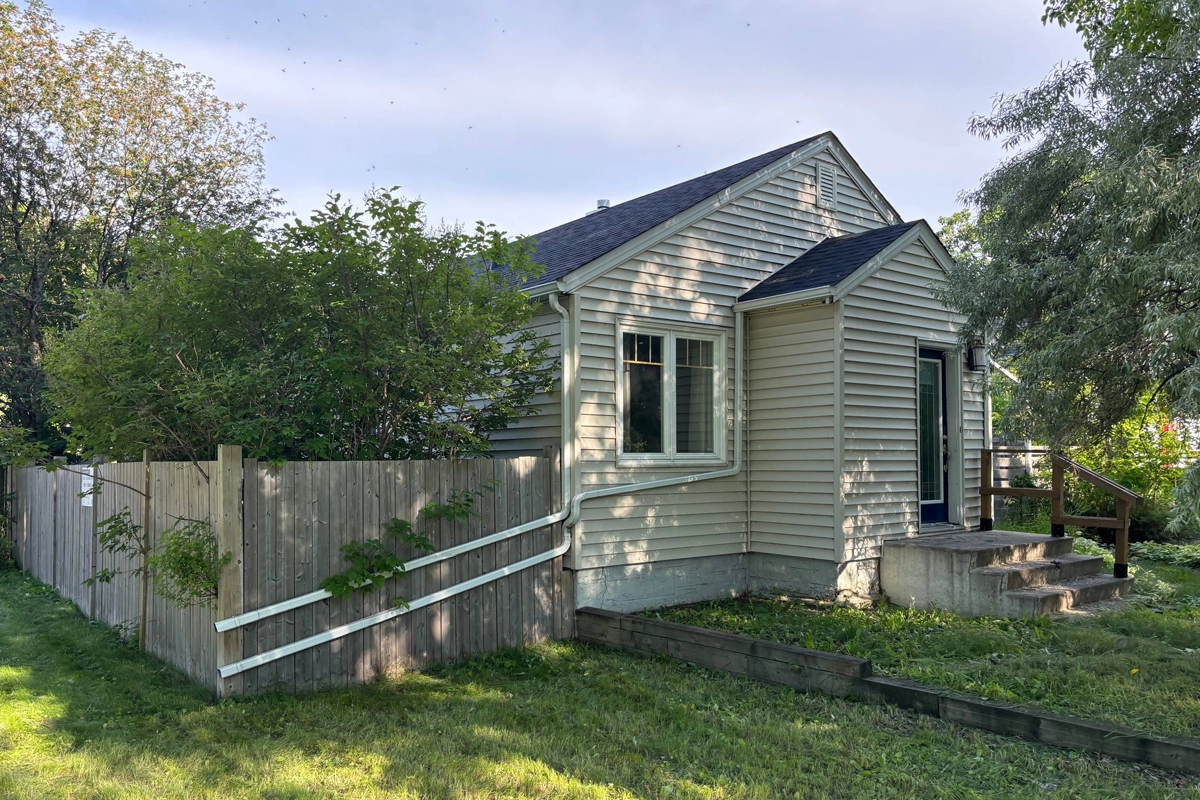
Older Bungalows
Original condition is fine.
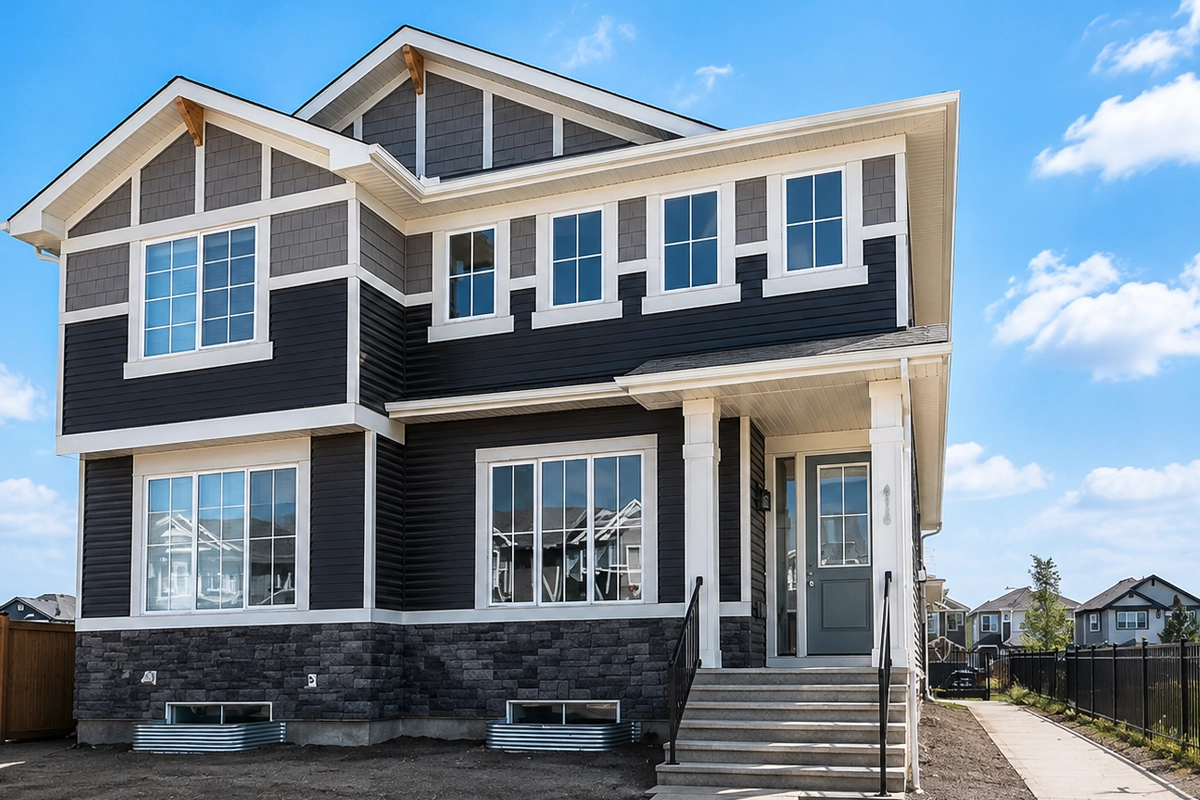
Townhomes
Any condo fees owing settled at closing.
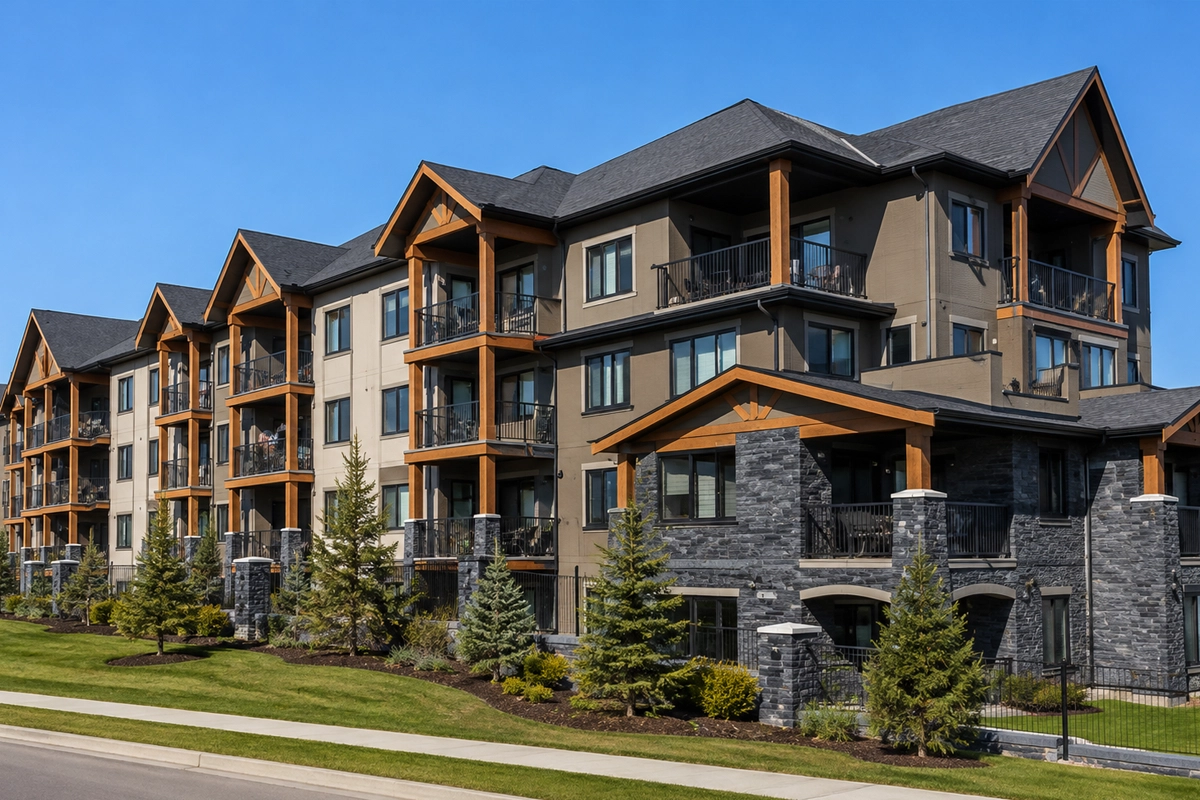
Condos
Estoppel certificate handled at closing.
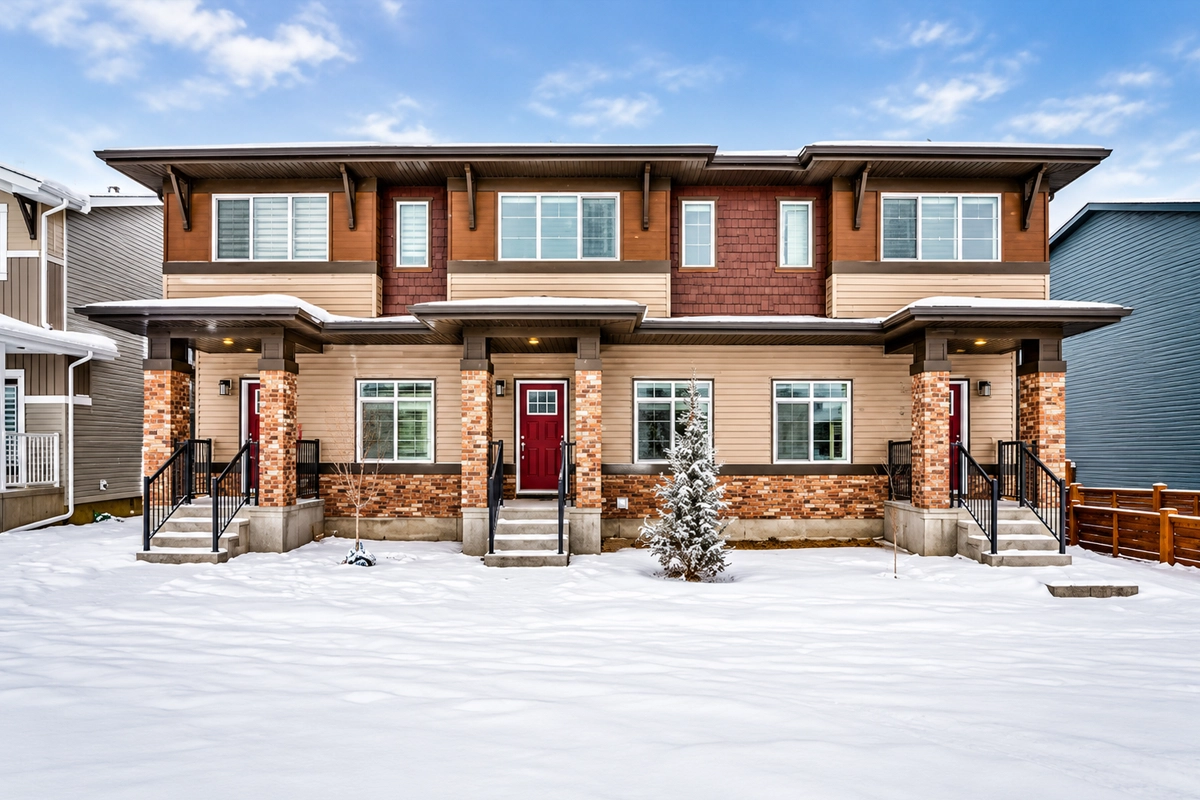
Duplexes & Multiplexes
Tenants can stay in place through the sale.
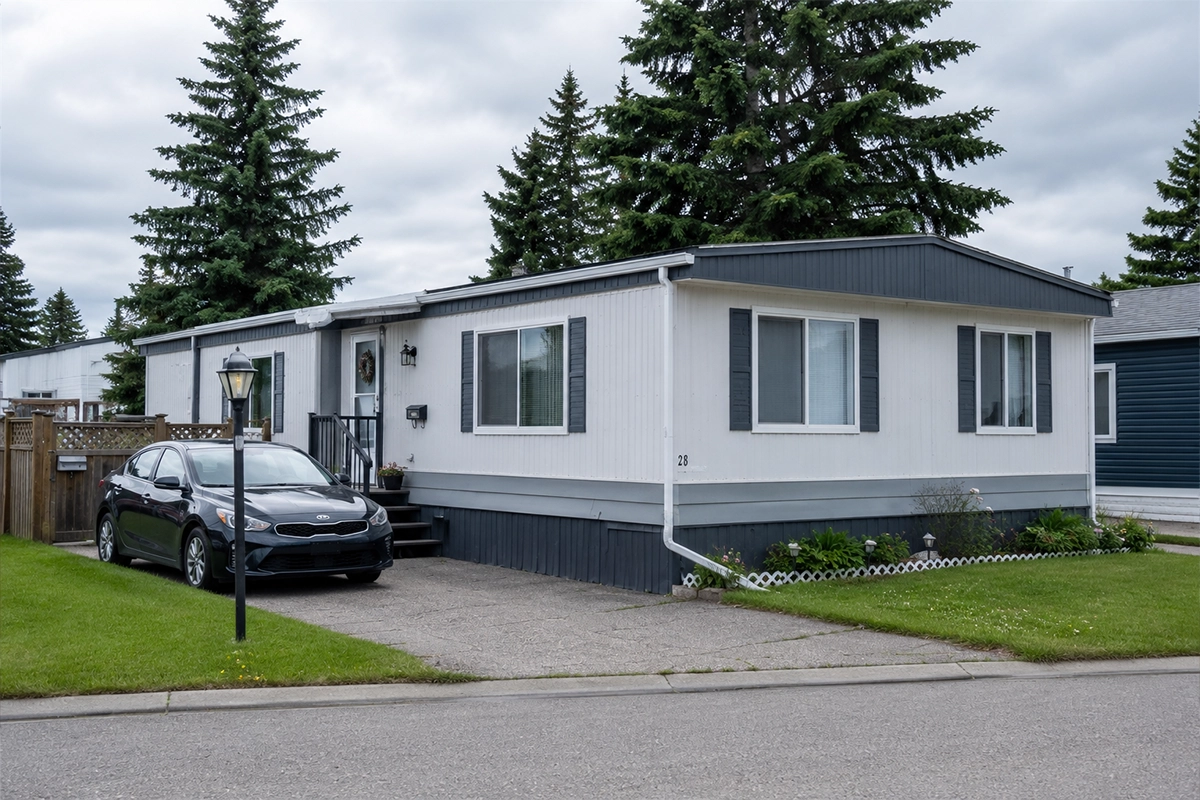
Mobile Homes
Bought as-is, including homes in parks.
From Your First Call to Your Closing Date
Four steps, no repairs, no showings, and no obligation at any point.
Tell Us Where the Grant Stands
Applied for, issued, or not started yet, we plan the closing around it.
We See the House
One visit with whoever has the keys, family member or lawyer.
A Written Offer
Explained line by line, so the beneficiaries can read it too.
You Pick the Date
About 14 days on average once the grant is in hand, or out to 120 days.
Why Personal Representatives Sell Estate Houses to Us
Settling an estate is a job on top of grief and everyday life. Here is what a direct sale takes off the list.

No Buyer's Financing to Fail
We pay cash, so the closing does not depend on someone else's mortgage approval.

No Repairs for the Estate to Fund
The estate does not spend money preparing a house it is about to sell.

A Date That Fits the Grant
About 14 days on average, or out to 120 days to leave room for the grant.

No Commission or Fees
The estate receives 100% of the offer amount, with nothing deducted by us.

Local and Easy to Reach
We work in Edmonton and respond within 3 hours during business hours, including to family out of town.

An Offer the Family Can Follow
Every line explained, so the personal representative can show the beneficiaries how the number was reached.
Listing an Estate House vs. Selling Direct
If the house is in good shape and the estate can wait, listing often leaves more, and we will say so. This is for estates where condition, cost, or distance is working against them.
Selling Directly to Us
Listing on the Open Market
What Edmonton Homeowners Say
What selling an estate house directly looks like, in the family's words.
"We were three provinces away when Mom passed. They worked with our lawyer, set the closing for after the grant, and none of us had to fly back."
"As executor I needed to show my brothers the price was fair. The written offer broke everything down, and that conversation was easier than I expected."
"The house had not been updated in decades. Selling it as-is meant the estate did not have to fund repairs before anything was distributed."
Estate Houses We Buy Across Edmonton
Wherever the estate house sits in the city or the surrounding communities, we go to it and evaluate it the same way.
Northwest
- Glenora
- Callingwood
- Lewis Estates
- Castle Downs
- Griesbach
Northeast
- Clareview
- Beverly
- Highlands
- Casselman
- Fraser
Southwest
- Windermere
- Terwillegar
- Heritage Valley
- Ambleside
- Keswick
Southeast
- Mill Woods
- The Meadows
- Bonnie Doon
- Ellerslie
- Summerside
Surrounding Communities
St. Albert, Sherwood Park, Spruce Grove, Stony Plain, Leduc, Fort Saskatchewan, Beaumont, Devon, Morinville, Gibbons, and Bon Accord.
Selling a House in Probate in Alberta, Answered
The questions personal representatives and families ask once an estate includes a house, including the parts that belong with the estate's lawyer or accountant rather than with us.
Can you sell a house in probate in Alberta?
Yes. The personal representative can sell once the grant of probate or administration is filed with Land Titles, which lets the deceased owner come off the title. We are not able to close before the grant is filed, but with the estate lawyer's approval, terms can be agreed earlier and the closing set after it arrives.
Can I sell the house before the grant of probate is issued?
You can prepare the house and even agree on a price, but the sale cannot close until the grant is filed, because Land Titles needs it to transfer the title. We are not able to tell you whether signing early suits your estate. The estate's lawyer can, and should review any agreement before you sign.
Who has the authority to sell a house in an Alberta estate?
The personal representative. That is the executor named in the will once a grant of probate is issued, or an administrator appointed under a grant of administration when there is no will. We are not able to confirm who that is in your family. The estate's lawyer can, before anyone lists or signs.
Do I need probate if the house was owned in joint tenancy?
Usually not. A house held in joint tenancy passes to the surviving owner, who files proof of death with Land Titles to take the deceased's name off the title. We are not able to read the title for you. A lawyer can pull a current copy and confirm the type of ownership quickly.
Do all the beneficiaries have to agree to the sale?
It depends on the will and how the house was left. A will that expressly lets the personal representative sell makes it simpler, while a house left to one named person is different. We are not able to advise on the estate's terms. Confirm the position with the estate's lawyer before you list or sign anything.
Can a surviving spouse stay in the house after the owner dies?
Often, yes. A spouse or adult interdependent partner not on title can stay in the family home for 90 days, and a married spouse may also hold a dower life estate if the deceased solely owned the home. We are not able to advise on those rights. The estate's lawyer can, before any sale.
How long does probate take in Alberta?
There is no fixed timeline. It depends on how complete the application is, whether anyone objects, and the court's workload when you file. We are not able to estimate it for your estate. The estate's lawyer can once the application is ready, and the house can be valued and prepared in the meantime.
Who pays the bills on the house while probate is pending?
The estate. Property taxes, utilities, insurance, and any mortgage keep running after the owner dies, and the personal representative pays them from estate funds. We are not able to cover those costs while you wait. If the estate is short on cash, ask the estate's lawyer how to bridge them until the sale.
Should the estate list the house or sell it directly?
If the house is in good condition and the estate can wait, listing usually brings a higher price. A direct sale tends to fit when the house needs work, sits empty, or the family wants a firm date. We are not able to value the house for the estate. Get an independent opinion before accepting any offer, including ours.
What happens to the money after the house sells?
It goes to the estate, not straight to the beneficiaries. Debts and final taxes are paid first, and the personal representative asks the Canada Revenue Agency for a clearance certificate before distributing. We are not able to advise on the estate's taxes. An accountant or the estate's lawyer can walk you through the order.
Can a personal representative who lives outside Alberta sell the house?
Generally, yes. Documents can be signed where you live, witnessed the way Alberta Land Titles requires for documents signed outside the province. We are not able to tell you what the court needs from an out-of-province personal representative. The estate's lawyer will confirm that early, before the application goes in.
Is the house taxed when an estate sells it?
The deceased's final tax return reports the house, and if it was their principal residence, an exemption may apply. We are not able to give tax advice, so ask an accountant to review it before the estate distributes, because a personal representative who distributes without a clearance certificate can be personally liable for unpaid tax.
What if the estate house is sitting empty?
Deal with insurance and heat first, because an empty house through an Edmonton winter carries real risk. Our page on selling a vacant house covers carrying costs and what an empty house needs. We are not able to advise on insurance coverage. The estate's insurance broker can.
Can I sell a house in probate without a realtor?
Yes. A personal representative can sell directly to us with no realtor and no commission, and the estate's lawyer handles the closing once the grant is filed. We are not able to act as the estate's lawyer. We do recommend an independent value opinion, so the beneficiaries can see the price was fair.
Tell Us About the Estate House
Send the address and where the grant stands. If you are out of town, tell us who has the keys. We will respond within 3 hours during business hours with next steps toward a fair, no-obligation cash offer, and we will tell you honestly if listing looks like the better route for the estate.
- A closing date set after the grant
- No repairs or showings to manage
- An offer the beneficiaries can read line by line
- 100% of the offer amount, no fees deducted
Phone: +1 (587) 855-5427
Fill out the form below, we typically respond within 3 hours.
"*" indicates required fields
No cost. No obligation. Response within 3 hours during business hours.